


Marine Soundproofing Services for Commercial Marine Applications
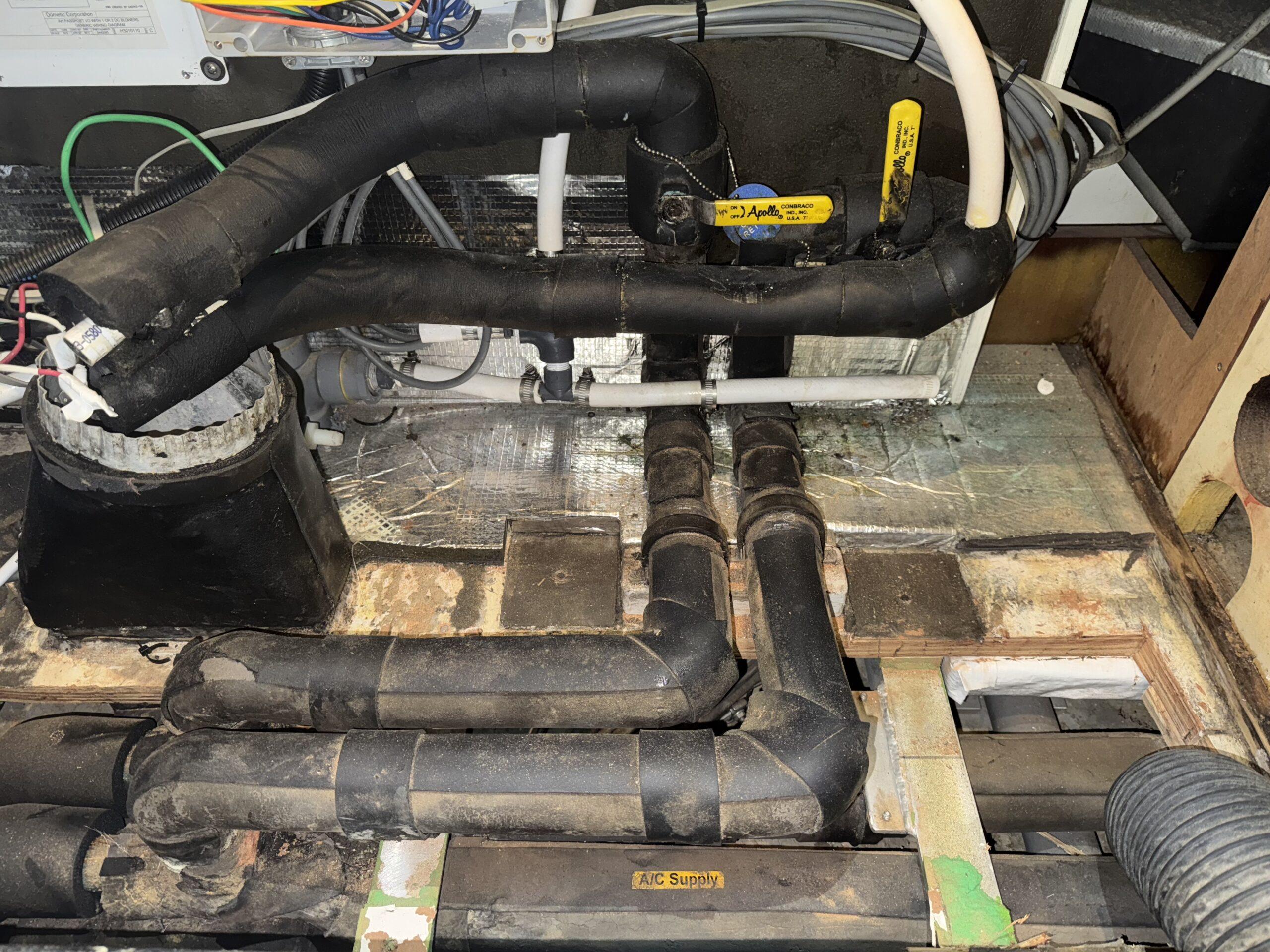
Commercial vessels operate within challenging acoustic environments where machinery, propulsion systems, ventilation equipment, and structural vibration create continuous noise exposure. Modern shipping companies, offshore operators, cruise liners, and industrial marine facilities increasingly recognize that effective Marine soundproofing is more than an operational enhancement—it is an essential investment in crew wellbeing, regulatory compliance, equipment longevity, and onboard productivity. Carefully engineered Marine Noise Insulation systems help transform demanding maritime environments into quieter, safer, and more efficient workplaces while supporting long-term vessel performance.
Why Commercial Marine Vessels Require Professional Soundproofing
Marine operations involve powerful engines, generators, compressors, pumps, hydraulic assemblies, and exhaust systems that generate significant acoustic energy. These sound waves travel through steel structures, bulkheads, decks, and enclosed compartments, creating persistent disturbances throughout the vessel.
Professional Marine soundproofing solutions are designed specifically to interrupt airborne noise, structural vibration, and resonance before they spread into accommodation areas, control rooms, engine compartments, and operational spaces. High-quality Marine Noise Insulation materials provide an effective acoustic barrier while maintaining durability under demanding maritime conditions such as moisture, salt exposure, fluctuating temperatures, and mechanical stress.
A professionally engineered acoustic strategy also supports international maritime standards by minimizing occupational noise exposure across commercial fleets.
Major Sources of Marine Noise
Understanding where unwanted sound originates allows specialists to design customized insulation systems.
Common noise sources include:
- Main propulsion engines
- Auxiliary generators
- Gearboxes
- Hydraulic machinery
- Air compressors
- Exhaust piping
- HVAC systems
- Ventilation ducts
- Cargo handling equipment
- Pump rooms
- Thrusters
- Winches
Each source produces unique frequencies requiring specialized Marine soundproofing techniques combined with advanced Marine Noise Insulation products.
Components of Marine Soundproofing Systems
Commercial marine acoustic solutions involve multiple integrated components working together instead of relying on a single material.
Acoustic Insulation Blankets
Flexible insulation blankets surround engines, exhaust manifolds, generators, and turbines. They reduce heat transfer while simultaneously limiting sound transmission.
Vibration Isolation
Rubber mounts, resilient supports, floating floors, and isolation pads prevent mechanical vibration from traveling through structural frameworks.
Acoustic Panels
Engine rooms, machinery spaces, and enclosed compartments often utilize multilayer acoustic panels manufactured from marine-grade materials resistant to corrosion and humidity.
Pipe and Duct Insulation
Noise frequently travels through pipework and ventilation systems. Proper Marine Noise Insulation minimizes transmitted sound without affecting operational efficiency.
Floating Floor Systems
Floating deck assemblies separate walking surfaces from structural steel, reducing impact vibration while complementing overall Marine soundproofing performance.
Benefits of Marine Noise Insulation for Commercial Applications
Every commercial vessel benefits from a quieter operational environment. Advanced Marine Noise Insulation contributes to numerous operational improvements beyond simple noise reduction.
Enhanced Crew Comfort
Continuous machinery noise contributes to fatigue, reduced concentration, and disrupted rest periods. Effective Marine soundproofing creates more comfortable accommodation areas that improve overall crew welfare during extended voyages.
Regulatory Compliance
International maritime organizations establish occupational noise limits aboard commercial vessels. Proper Marine Noise Insulation assists operators in meeting these acoustic requirements while reducing future retrofit costs.
Improved Communication
Lower background noise improves verbal communication within bridge operations, machinery spaces, and emergency response situations.
Equipment Protection
Reduced structural vibration minimizes mechanical wear, helping extend equipment lifespan while lowering maintenance expenses.
Passenger Experience
Cruise ships, ferries, research vessels, and luxury yachts depend heavily on passenger satisfaction. Premium Marine soundproofing significantly improves onboard comfort throughout cabins, restaurants, lounges, and public spaces.
Materials Used in Marine Acoustic Solutions
Marine environments demand insulation products capable of resisting corrosion, humidity, vibration, and fire exposure.
Frequently utilized materials include:
- Mineral wool
- Closed-cell foam
- Mass-loaded vinyl
- Composite acoustic barriers
- Fiberglass insulation
- Ceramic fiber blankets
- Elastomeric foam
- Fire-rated acoustic composites
- Aluminum-faced insulation
- Marine-grade vibration dampers
Each material contributes unique acoustic characteristics within comprehensive Marine Noise Insulation systems while supporting dependable Marine soundproofing performance.
Applications Across Commercial Marine Industries
Professional acoustic engineering serves numerous maritime sectors with specialized solutions.
Cargo Ships
Container ships operate continuously under heavy mechanical loads. Customized insulation reduces engine room noise while improving onboard living conditions.
Offshore Platforms
Offshore drilling facilities contain multiple high-powered systems operating simultaneously. Advanced Marine soundproofing supports worker safety throughout prolonged offshore assignments.
Passenger Ferries
Frequent passenger transport requires quiet cabins and comfortable seating areas. Proper Marine Noise Insulation contributes significantly to customer satisfaction.
Naval Support Vessels
Support vessels often require enhanced acoustic performance to improve operational efficiency and protect sensitive onboard equipment.
Cruise Ships
Luxury hospitality depends on peaceful guest accommodations. Comprehensive Marine soundproofing minimizes mechanical disturbances throughout entertainment venues, suites, and recreational spaces.
Research Vessels
Scientific missions frequently rely upon highly sensitive measurement instruments. Reduced vibration and effective Marine Noise Insulation improve data collection accuracy.
Selecting the Right Marine Soundproofing Service Provider
Choosing experienced specialists ensures reliable acoustic performance throughout the vessel's operational lifecycle.
Important evaluation factors include:
Marine Engineering Experience
Experienced contractors understand vessel construction, marine regulations, and acoustic behavior within steel structures.
Material Certification
Certified marine insulation products provide dependable performance while meeting fire safety and environmental standards.
Custom Design Capabilities
Every vessel presents unique challenges. Professional providers develop tailored Marine soundproofing solutions rather than relying on standardized installations.
Installation Expertise
Proper installation determines the effectiveness of Marine Noise Insulation systems. Precision fitting eliminates acoustic leakage and vibration transmission.
Long-Term Support
Maintenance inspections and replacement services preserve insulation performance throughout years of marine operation.
Future Trends in Marine Acoustic Engineering
Commercial marine industries continue adopting innovative technologies to improve onboard acoustic environments.
Emerging developments include:
- Lightweight composite insulation
- Smart vibration monitoring
- Eco-friendly acoustic materials
- Fire-resistant multilayer barriers
- Digital acoustic modeling
- Modular insulation systems
- Sustainable recycled composites
- High-performance thermal-acoustic hybrids
These advancements enable more efficient Marine soundproofing installations while enhancing overall Marine Noise Insulation effectiveness across increasingly sophisticated commercial vessels.
Conclusion
Commercial marine operations demand dependable acoustic control solutions that withstand demanding environmental conditions while improving operational efficiency. Professionally engineered Marine soundproofing systems reduce structural vibration, machinery noise, and airborne sound transmission throughout vessels of every category. By investing in advanced Marine Noise Insulation, vessel owners improve crew comfort, regulatory compliance, passenger satisfaction, equipment reliability, and long-term operational performance, making acoustic optimization an essential component of modern commercial marine applications.
Categories
Read More
Dark fantasy enthusiasts searching for an unforgettable literary journey often discover the Black Angel Book series because of its gripping mythology, emotionally layered protagonists, and atmospheric storytelling. The Black Angel Book series combines supernatural intrigue, perilous quests, and unforgettable character evolution, making it an appealing choice for readers who appreciate immersive...

Hair loss affects confidence, appearance, and everyday interactions, leading many individuals to explore hair restoration Columbia SC services. Whether thinning strands result from genetics, hormonal fluctuations, medical conditions, or aging, modern restoration procedures provide effective pathways toward fuller hair. Understanding treatment expenses before scheduling a consultation allows...

Finding the ideal moment to enjoy White Maeng Da Kratom can significantly shape your overall experience. Timing influences alertness, mental clarity, stamina, and how long the botanical's properties remain noticeable throughout the day. Rather than following a universal schedule, understanding how daily habits, nutrition, activity levels, and personal goals interact with White Maeng Da Kratom...

Перед стартом апдейта или абсолютной переустановки ОС имеет большое значение выполнить несколько обязательных шагов. Во-первых, скопируйте все собственные компьютерные данные, карточки и документы с целого жесткого диска (в основном это диск C) на внешний накопитель или в облачное хранилище. Во-вторых, предварительно предопределите чистую USB-флешку объемом не менее 8 гигабайт, которая...

Современный центр нейропсихологии и логопедии в москве предлагает комплексную помощь детям, столкнувшимся с трудностями в обучении, дефицитом внимания или задержками в развитии. Специалисты центра используют передовые методики для стимуляции работы головного мозга, что помогает улучшить память, концентрацию и общую усидчивость ребенка. Все занятия проходят в комфортной игровой форме,...